
Clinician Corner: Dr. Valerie King-Ernst Shares How Virtual Care Compares to In-Person Care

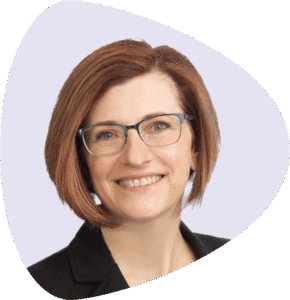
Iris clinicians are at the heart of what makes our organization such a special place to work. That’s why we’re turning the spotlight on the amazing work they’re doing every day. This month, we’re sitting down to talk with Dr. Valerie King-Ernst.

Q. How did you find Iris and decide you wanted to be an Iris provider?

A. I had been getting inundated with emails from telehealth companies. Iris was one of them. I spoke with a few companies, but what led me to choose Iris is that when I met with or spoke with one of the individuals on the team, they were personable, and they made me feel like as a provider – if I worked with Iris – I would be looked after, and have a support team in place.

When I spoke with other telehealth companies, they sold it by saying, “You’ll have a lot of autonomy.” While I wanted that autonomy, I also wanted a team behind me. I didn’t feel like I would get that with other places.

Q. How does telehealth compare to in-person care?

A. The biggest difference is not having to travel. That’s the best thing. There isn’t anything that can beat that. Not having to travel allows me time to get situated to go over a chart, maybe run down all the patients and see like, “Okay, I might use this with this person, I might use that with that person.”

Not to say that I don’t do that when I’m in the outpatient setting or having to travel to a place, but I feel like when you’re in traffic, things can get a little stressful because you’re traveling in rush hour traffic and sometimes that can get a little tense for people. And when you don’t have to do that, that’s one less stressor, one less thing to worry about.

Working from home allows you to focus on getting ready for the day and getting prepared for the day when you can do it from home.

Q. How do you foster connection with patients virtually?

A. I have to be honest with you, I do nothing different than what I do inpatient or in person except, of course, I do ask them if they’ve done telehealth before. I also make sure to remind them that this is confidential, and I explain all of that to them.

In terms of developing a rapport, if it’s the first visit, I’ll introduce myself, and then I make sure I maintain eye contact. I greet them with a smile when they first sit down, and sometimes, I’ll find one thing they’ve said, and I’ll try to let them know that. I may share something that’s not too personal about myself but something they might be able to relate to so they know I understand what they’re saying.

And then I do a lot of empathic listening where I repeat back to them what they’ve said or paraphrase what they’ve said so they know that I’m here, I’m listening. I don’t just do that with telehealth. I do that all the time. I paraphrase what they said and ask, “Did I get that right?”

At the end of an initial visit, I always thank them for sharing their story. And that, for me, is a way of building rapport. So they know, “I appreciate that you came and you talked to this stranger for the first time, and you are sharing all this information.”

Then, on subsequent visits, I always make sure to remember key things they said and say, “Oh, okay, that’s right. Because you said, your daughter had a soccer game after that. How did that go?” So they know they’re not just a symptom to me. They are somebody that I care about, and I want to get to know them.

Q. As a healthcare professional, how do you manage work-life balance?

A. I make sure that I’m done by a certain time. I generally get all my work done before I have to sign off. The reason why I’m doing telehealth is to allow myself to have more time with my family.

I make time to stop work at a certain time. I try to stop at least no later than a couple of hours after my last patient.

Q. What is the most rewarding part of your job?

A. Particularly in this position, I would say that I get to work with underserved communities. I’ve worked in areas where I have worked with people that had communities that had a lot of the resources, like very well-to-do communities.

You can see the difference. They have the resources and places where they can be referred to for additional support in the community. However, working in an underserved community is more gratifying for me because a lot of times, when I’m talking to my patients, I realize they don’t know about a lot of the resources available.

I had a patient last month who had food insecurity. She was saying that she can’t spend much on medications. They don’t have money to eat or anything. They don’t have food in the house.

I went online and asked her, “Do you know if there’s a food bank in your area?” And she didn’t. I did obviously talk about churches, but then I Googled a food bank for her. Then, I put that information in the after-visit summary.

I had a patient whose kid had special needs. They were talking about everything they have to deal with in terms of that. So, I went online and looked up a special needs organization in their community, and then I put that in the after-visit summary. That’s what I like about working with underserved communities.

When I work with communities with a lot more, they already have those services. Like, “Oh yeah, my kid is in this, my kid is in that.” But when you’re working with the underserved communities, they don’t really have all those resources, and they don’t know where to find them.

It is gratifying to be able to do the extra research for them.

Q. What do you love about working with Iris?

A. Having clinical managers. I can focus more on patient care. There’s always these political machinations that go on behind the scenes, and having a clinical manager I can say, “This is a concern.” It allows me to focus more on patient care. Then they can take the concern to the clinic, and I don’t have to worry about the other in-between stuff. I can go ahead and focus on patient care. So that’s a plus for sure.

And also building relationships with them is good too because they’re good people. So that is one of the good things about it.

Q. Why do you think telepsychiatry is important to the future of mental healthcare?

A. Thirty years ago, there were more community mental health centers. We have fewer now. A lot of them have shut down due to lack of funding. There’s a shortage of psychiatrists and mental health providers. Telepsychiatry is important because now we get to reach those communities that do not have those services. Access is very important.

Q. What advice would you give someone new to telehealth?

A. I would tell them to take advantage of all that telehealth has to offer because it allows you more time to spend with family because you don’t have to worry about commuting. And it allows you to focus more on patient care. Take that in and appreciate that you have that advantage over those people that are not doing telehealth.

At Iris, we believe our providers should be respected, valued, and applauded for the work they do, and we couldn’t be more proud to say, “thank you” to our very own Dr. Valerie King-Ernst. If you’d like to learn more about working for Iris Telehealth, contact us today.

How to Track Quality Improvement in Behavioral Health Care

Quality management is paramount to making sure you stay on track with your behavioral health goals.

Let’s take a look at how to define quality management, the benefits of quality management, and quality initiatives your organization can put into action.

The importance of quality improvement in behavioral health

Ensuring your patients get the quality care they need by assessing the impact of your behavioral health programming is essential. 

Here’s what Iris Telehealth’s Executive Director of Quality, RN, MS, CPHQ, had to say about the importance of having a quality management strategy in place:


“We cannot know for sure if we’re impacting patient outcomes without measuring them. We can think we’re doing a good job (or not), and we can look at the qualitative evidence, which is important and should not be discounted. But, without some quantitative measurement or goal in mind, we cannot be certain of whether we’re making meaningful improvement.
That’s where having a quality management strategy comes into play. It forces organizations to think about what excellent care looks like to identify opportunities to improve, take action, and, most importantly, effect meaningful change.”
Yara Nielsenshultz, RN, MS, CPHQ, Executive Director of Quality


Focusing on quality improvement initiatives are critical to treatment outcomes, efficiency, patient safety, and timely care. By tracking and knowing with certainty how your behavioral health programs are performing, you can be sure that your patients are getting the best care possible.

To get more of our expertise, download our guide on the impact of quality management in healthcare.

Seven healthcare quality measures your organization can track

In behavioral health, objective measurement of treatment effectiveness can be challenging.

However, determining specific performance measures and goals and then gathering data on those measures provides meaningful, actionable information. This information is critical to identifying opportunities to improve and track the effectiveness of any initiatives or changes you implement over time.

Here are seven healthcare quality measures your organization can track to ensure your behavioral health program is operating as smoothly as possible:  

  1. Wait time: Monitoring this metric helps avoid waste (time, resources, or equipment), and provides promptness of services (reducing wait times, eliminating discharge delays, etc.)
  2. No-shows: Monitoring and improving no-show rates supports consistency, which may improve patient outcomes and access to care while also optimizing provider time
  3. Performing validated screening: Using validated screening tools, such as PHQ-9, GAD-7, or C-SSRS, provides measurable data to help monitor the impact of healthcare services or interventions on the health status of patients.
  4. Safety events; suicide: It’s critical to monitor safety events, such as treatment errors or suicide, so your team can prevent and reduce errors and protect patients
  5. Timely response to patients: Tracking and optimizing response times ensures services are respectful and responsive to patient’s needs while providing the same high level of care to everyone
  6. Patient Reported Outcomes (PROMs): Tracking patient-reported outcomes provides measurable data on patients’ perception of treatment effectiveness, which complements patient satisfaction and can inform quality improvement activities
  7. Patient satisfaction: Implementing surveys or measures to understand patient satisfaction delivers key insights into perceptions of the care patients receive

Tracking these measures is essential for improving the quality and monitoring of your behavioral health program. However, doing it alone can be overwhelming. That’s why having a partner who can help you track these metrics and work to improve upon them is key.

The keys to quality improvement in healthcare

At Iris, we collaborate with partners to optimize their behavioral health programs and maximize their benefits. That means we collaborate and exchange data, aggregate and report information, and help their team improve upon identified quality improvement metrics.

From our experience, these are the three pillars we’ve found that make a successful quality management solution:

  1. Ongoing monitoring: Meeting quality measures means keeping track of key metrics through ongoing monitoring. By leveraging a partner who effectively monitors quality measures, you’re better positioned to meet performance standards and stay on top of accreditation, certification, and regulatory requirements.
  1. Regular communication: To help stay on top of key metrics, regular touch bases to analyze quality metrics and compare how your performance tracks against target goals are essential. In addition to frequent touch points, at Iris, we deliver easily understandable visualizations, identify trends, and look for opportunities for improvement.
  1. Customized reports: Access to customized reports can help your team know how your organization is tracking. At Iris, we interpret data in an easy-to-understand way that helps provide guidance and recommendations for the best next steps for your organization to meet quality improvement initiatives. We help monitor, evaluate, and improve on selected quality measures like patient outcomes, patient satisfaction, efficiency, and resource utilization.   

Partnering with an organization that provides quality management alongside their behavioral health programs offers many benefits, including adding additional resources to support your organization’s quality initiatives, supporting positive patient outcomes, and helping meet accreditation, certification, and regulatory requirements.

Where Iris Telehealth fits in

At Iris, we’ve helped our partners reduce the length of stay in their MedSurg units by 0.5 days, increased ED discharge rates from 55% to 62%, and reduced their length of stay in the ED from 12 to 9 hours.

Additionally, as a Joint Commission-accredited medical group, we have the expertise to help organizations monitor and address gaps to meet required standards and quality measures. We’ve also helped partners track no-show rates and helped compare provider performance to uncover best practices that were then replicated and implemented across care teams.

To learn more about how you can improve quality initiatives at your organization, contact our downloadable, The Impact of Quality Management in Healthcare. Or, if you’d like to talk to someone to learn how we can help jumpstart your quality initiatives or behavioral health program, contact us today.

How Telehealth Supports Work-Life Balance for Clinicians

Work-life balance is essential in the behavioral health industry. In this blog, we’ll review the impact of clinician burnout, how telehealth helps support work-life balance, and what a day-in-the life of a virtual behavioral health provider looks like.

The impact of provider burnout

Provider burnout impacts well-being and makes it harder for providers to access the work-life balance they need. In a 2023 report, The Physicians Foundation outlines the following data points related to the current and future state of physician well-being:

  • Six in 10 physicians often have feelings of burnout
  • Only 31% of physicians believe their workplace culture prioritizes their well-being
  • Half of physicians surveyed believed insurance requirements, documentation protocols, regulatory policies, and mandatory training requirements hindered their ability to provide quality, cost efficient care

In this climate, how can providers know if an organization values work-life balance and helps ensure providers have the support they need to succeed? Let’s take a look at the keys to finding the right organizational fit.

The key to finding the right organizational fit

In a study published in the National Library of Medicine, researchers discovered that 42% of primary care providers and psychiatrists considered their profession a true calling. Moreover, among those who experienced a stronger sense of calling, 31% reported a reduced level of burnout.

At Iris, we’ve found the following aspects as key components that set the stage for a healthy work-life balance and allows you to focus on what you do best:

Job matching: Finding the right organization to work for is essential to helping ensure work-life balance. That’s why, at Iris, we vet our partners to ensure they’ll be the best fit for our providers. We also take things like our provider’s desired schedule and the ideal population they’d like to work with into consideration. We focus on culture and values to find the best match possible.

“A really unique part of Iris’s approach is the job matching process. Iris holds a meet and greet with the Clinical Operations Manager, the provider, and the clinic. Everyone meets and discovers whether or not they’ll be a good fit. I couldn’t be happier with where they placed me.”
– Dale McQueeney, MS, RN, PMHNP-BC

Top-notch support: Working in a virtual environment comes with its own challenges. Thankfully, with the right organization by your side, these potential setbacks are minimized. At Iris, we have several teams in place to advocate for our providers and make sure they always have someone to call. From our Clinical Operations Managers to our IT team, you can focus on patient care without having to worry about all of the little things that might get in the way.

“One of the things I love about working with Iris is the support. For example, Drew Sadler, the Clinician Operations Manager, has provided amazing support and the IT team is always ready to help.”
– Nicole Bradbury, LCSW

Licensing and credentialing: Managing licensing and credentialing can be a tedious process. In fact, The Physicians Foundation study found that 80% of physicians found a reduction of administrative burdens helpful to their well-being. At Iris, our Medical Staff Services team monitors our provider’s files daily to ensure their licensing and credentialing are on track and renew current providers’ licenses as needed.

Click here to learn more about the work our MSS team does to help ensure ease for our providers.

A day in the life of a telehealth provider

Telehealth helps support essential components of work-life balance, including no commute times, flexible hours, and the ability to transition from your work into your life easier.

Here are a few ways telehealth providers at Iris have felt the positive impacts of telehealth work:

“It’s not only about the part-time job but also the fact that I don’t have to commute. I live in a very rural place in the mountains, so I can walk on my break after lunch, or if I have a no-show or finish on time with a patient, I can take a break and go for a walk and come back. That wouldn’t have happened in my prior job. I value that a lot. It makes a big difference.”
– Dr. Carissa Cabán-Alemán

“I just completed four years with Iris. I really enjoy having all this flexibility and ability to spend time with family and get everything I need to get done during my day and still work an eight-hour shift. That is definitely a good thing.”
– Dr. Manoela Denman

“It’s tremendously easier managing work-life balance from home because my commute is really short, and it’s incredible how much time and money goes into working at a distant site from your home.”
– Dennis Dodd, PMHNP

If you’d like to learn more about what life as a telehealth provider looks like, be sure to get your copy of our downloadable here.

Where Iris Telehealth fits in

Whether you’re a psychiatrist, psychiatric nurse practitioner, or a therapist, work-life balance is a key component to your job satisfaction. At Iris, we recognize and work to support your well-being at every step of your journey. If you’d like to learn more about life at Iris, feel free to contact us today.

You can also stay-up-to date on combating burnout, news from the behavioral health industry, and insights into telehealth career opportunities and resources by signing up for our Behavioral Health Messenger newsletter – get all the info and subscribe here.

Diagnosing, Treating, and Supporting Children Experiencing Pediatric Depression

The past year has been an enormous mental health challenge for children and adolescents. Research in Child Adolescent Health indicated the global closures of schools and colleges due to the COVID-19 pandemic have negatively impacted over 91% of the world’s student population. Children found their levels of boredom increasing and motivation decreasing as schedules were upended, soccer practices were canceled, and school lunches went virtual.

With these lifestyle interruptions came an alarming increase in rates of pediatric depression.

I’ve seen the challenges pediatricians are facing firsthand and hope to provide some insight into what these new pediatric mental health challenges entail, how mental health professionals can screen for depression in primary care, and strategies for treating pediatric depression.

Research indicates pediatric depression is increasing

The percentage of children and adolescents exhibiting health risk behaviors — including suicidal ideation, making a suicide plan, attempted suicide, and suicide attempts requiring medical treatment — have increased significantly since 2011 and have accelerated with the pandemic. A survey of 1000 high school and college students indicated that almost 25% knew a peer who had developed suicidal thoughts since the onset of COVID-19. And, more than 50% of respondents in a survey of high school and college students reported they were worried about their own mental health during the pandemic.

These statistics are generally elevated for any children who identify as members of marginalized communities, with LGBTQ+ youth reporting health risk behaviors at the highest rate.

Unfortunately, the concerning increase in rates of pediatric depression will not simply go away as vaccines become available. A systemic review of 63 studies found that a surprising impact of social isolation and loneliness was prolonged risk of depression and anxiety up to nine years later. Additionally, the duration of loneliness was more strongly associated with mental health symptoms than the intensity of loneliness. Even as we climb out of the quarantine period and the COVID-19 pandemic, we should expect this prolonged trauma period to affect pediatric mental health for years to come.

Screening for pediatric depression is quick, free, and easy

The DSM-5 contains information about the full spectrum of common depressive disorders in children. But, one of the most common disorders you might run into is Major Depressive Disorder (MDD).

To screen for MDD, you can provide questionnaires specific to both parents and children at general visits and interpret their responses. You’ll find patients with MDD report depressed mood or loss of interest or pleasure in addition to five or more Major Depressive Disorder symptoms within the same two-week period.

You can use the patient’s age to determine which screening is most fitting between the Pediatric Symptom Checklist/Pediatric Symptom Checklist Youth Report (PSC and Y-PSC) and the Patient Health Questionnaire 9 (PHQ-9). Here’s how they compare:

PSC/Y-PSC

  • Screens for cognitive, emotional, and behavioral problems
  • For youth between 4-16
  • Takes 5-10 minutes to complete
  • Free

PHQ-9

  • Specific to depression
  • For ages 12 and up
  • Takes 5-10 minutes to complete
  • Free

After children take either screening questionnaire, staff will score the questionnaire responses and determine whether MDD possibility is positive or negative. Of course, you should also conduct a formal assessment — including a clinical interview and symptoms rating scales — before moving forward with MDD treatment.

The patient and family-first approach to treating Major Depressive Disorder

The severity of a patient’s MDD diagnosis will direct the treatment plan:

  • Treating subclinical to mild depression includes supported self-management and follow-up conversations to help the children understand how they can make themselves feel better – including how sleep and nutrition can affect their depression.
  • Treating moderate depression (and mild depression that does not respond to supported self-management) includes therapy referral and an optional medication trial.
  • Treating severe depression requires a therapy referral and medication.

While some families may be hesitant about one method or the other, studies indicate that a combination of therapy and medication trials will help children with severe depression improve faster.

However, as a pediatric mental health provider, it’s important to remember how scary these conversations can be for families and set clear expectations for what families and patients can anticipate throughout the treatment process.

Steps for setting family expectations include:

  • Screening for family history of Bipolar Disorder and suicide.
  • Communication plans for both regular follow-up and emergency access visits.
  • Family education about the length of adequate trials to reduce the risk of non-compliance.
  • Emphasizing that the family should alert pediatricians about worsening depression or suicidal thoughts.
  • Explanation of mania to set family expectations for this common side effect of MDD medication.
  • Ongoing informed consent to continue educating families and improve treatment outcomes.

SSRIs: the gold standard

As far as medication is concerned, SSRIs (Selective Serotonin Reuptake Inhibitors) are the gold standard of care for pediatric depression. 70% of patients respond to their first SSRI, and of the patients who do not respond, 70% respond to the second SSRI.

Generally speaking, Fluoxetine, Escitalopram, and Sertraline are the most common SSRIs, with Fluoxetine being the oldest and most well-known SSRI. Whenever you’re treating a new patient or prescribing an SSRI to a child who has never taken one before, you should always conduct test doses first to understand how patients will respond to specific medications. Then, it’s important to make sure any resulting SSRI treatment plan you develop includes periodic monitoring for side effects and reassessment of patients using screening tools at recommended times throughout the treatment plan.

Next steps: resources for mental health professionals and families

Every patient and family has different needs, but, fortunately, there’s a wealth of knowledge and research around pediatric depression that can help you make the right choices for your patients.

Whether you’re looking for aacap practice parameters or pediatric depression screening tools, here are just a few of my favorite resources for providers and families:

  • aacap.org and aap.org include practice parameters, with a lot of facts for families — including brief summaries explaining what to expect from pediatric mental health treatments.
  • parentsmedguide.org is a collaborative effort by the American Academy of Child and Adolescent Psychiatry and the American Psychiatric Association. These sites share practical information and advice regarding pediatric depression and anxiety for parents, patients, and clinicians.
  • schoolpsychiatry.org is a publication by Mass General and provides valuable screening tools.

As always, Iris Telehealth is here as a resource for providers who need support. If your organization is feeling the weight of increased numbers of patients experiencing pediatric depression, contact us today. We’d love to talk to you about the difference telepsychiatry can make in your practice!

CCBHC Criteria and How to Find Success as a Certified Community Behavioral Health Center

Certified Community Behavioral Health Centers (CCBHC) are specially designated clinics offering comprehensive services to treat mental health and substance use disorders. Organizations must apply for designation and adhere to extensive CCBHC certification criteria, ultimately allowing them to focus on target populations, increase access to care, and offer a broader range of services.

In a webinar hosted by Iris Telehealth, leaders from Pines Behavioral Health, HealthRIGHT 360, and Deschutes County Mental Health came together to discuss their journeys to gaining CCBHC certification, their advice on the certification process, and insights into virtual care.

In this blog, we’ll review insights from these organizations on the challenges and benefits of becoming a CCBHC and learn how they’ve found success.

First steps and goals when considering CCBHC certification

Deciding to become a CCBHC comes with many considerations, and knowing the first steps and getting clear on goals can be helpful to the process. For example, at HealthRIGHT 360, they applied via SAMHSA’s CCBHC expansion grant opportunity.

When reflecting on their goal for gaining CCBHC certification, Melissa Espinoza, the CCBHC Program Director at HealthRIGHT 360, said, “We wanted to enhance our longstanding outpatient behavioral health programs in LA County and potentially to replicate this throughout other sites within the agency and organization.”

For Chandra Mola, the Medical Team Manager at Deschutes County Mental Health, their goal was to create a more integrated, whole-person approach to care and extend outreach into their rural communities.

On their certification, Mola said, “We were certified in 2017. We had a small integrated primary care office and had kind of a one-stop shop and saw the benefits of having that whole-person care collaboration and improvements with overall health. One of the driving pieces was being able to expand to our more rural locations and offer that at all of our sites. Then the second piece was just a plan to diversify our funding.”

Whether you want to enhance your existing behavioral health services or reach more people in your community, CCBHC certification can help support your efforts. While it’s essential to get clear on your goals, it’s also important to consider any potential challenges and the right strategies you might need to meet these head-on.

Potential challenges and strategies to CCBHC certification

Gaining designation can be rigorous, and there can be a lot of CCBHC criteria to consider when preparing your organization for the process.

Here are a few challenges CCBHCs encountered when first getting started:

  • Administrative challenges: At Deschutes County Mental Health, Mola said, “SAMHSA grants are daunting. They’re big. It’s certainly just being able to deal with the administrative burden it puts on every aspect of our departments. The opening up to broader groups of people offered it to people who had private health insurance. Things like just setting up the billing departments to be able to bill for all of that.”
  • Staff turnover: For HealthRIGHT 360, Espinoza said they struggled to get their team on board and encountered staffing challenges. “There were a lot of long-term staff that felt they didn’t wanna be a part of this, it was too much extra. And so staffing was a struggle that we had to overcome.” Today, HealthRIGHT 360 is stabilizing and has learned a lot from its first round of funding. Espinoza said the organization worked hard to re-obtain churned staff and obtain new staff by enhancing and strengthening their benefits packages.
  • Increased demand: For Pines Behavioral Health, Sue Germann, Chief Executive Officer, highlighted that it wasn’t the certification process that proved challenging, but the demand for services, which increased by 36% after their designation, citing, “Every service we provided had a greater need – including psychiatric. We connected with Iris right away with a virtual psychiatrist, which was invaluable.”

While these are certainly challenging, there are many benefits as well. Let’s take a look at the positive outcomes these organizations have encountered since their designation.

The benefits of CCBHC certification

While the upfront designation process may be tedious, according to our partners, the benefits of CCBHC certification are all worth it. At Pines Behavioral Health, Germann said their team was finally able to meet the wants of their community that aren’t necessarily Medicaid allowable.

After gaining designation, they were able to get more creative with what they offered. Speaking about the benefits of their designation, Germann said, “We created a health and wellness program where you didn’t have to come in and have an assessment and a treatment plan before you could have the service. You could come in and learn how physical health impacts mental health.”

She also mentioned the help they received with their 24/7 crisis team, noting, “We went from scheduling intakes to same-day access. We really made sure that we had enough staff to be able to meet that need. That helped us in terms of being able to meet the measures related to how quickly you needed to see someone.”

At HealthRIGHT 360, Espinoza and her team value the ability to help more people in their community and the flexibility the grant has given them.

Espinoza shares, “It has allowed us to assess and address the needs of our population in ways that we were not able to before. One of the initial CCBHC requirements is a community needs assessment. So, instead of taking long-established services and fitting clients into those boxes, we can really survey and obtain feedback from clients about their individual needs through their experiences and feedback. So that has been really important.”

At Deschutes County Mental Health, Mola pointed out the positive outcomes they’ve experienced, noting, “The benefits have been overall improved health outcomes. We’ve seen decreases in blood pressure, we’ve seen better managed A1C. BMI is still a tricky one, but we have seen a little bit of improvement there. So that whole-person care has driven us to decide to adopt this model permanently.”

The integration of the CCBHC model and virtual care

CCBHCs can benefit significantly from a strategic virtual behavioral health partnership. Through high-quality support, evidence-based care, and a team of highly qualified behavioral health providers, this partnership is one of the keys to finding success as a CCBHC.

Want to learn more about how the right telehealth partner can help support your CCBHC’s approach to evidence-based care? Check out our blog, How Telehealth Can Support CCBHC Quality Measures through Evidence-Based Care.

Reflecting on their organization’s approach to virtual care and partnership with Iris Telehealth, Espinoza said, “Virtual care has not gone away. That is a part of our long-term strategy. We do know some clients prefer and benefit from in-person services, but there are also clients who really do value the flexibility in their schedules to be able to participate in treatment through that platform as well.

Currently, in our CCBHC, we are offering a hybrid model of service delivery for our staff. It allows them the flexibility, and it allows the client’s flexibility to continue with treatment through our agency.”

For Deschutes County Mental Health, Chandra Mola says telehealth has been crucial to them during the provider shortage, stating, “Due to staffing shortages of psychiatrists and psych NPs, telehealth has been really important for us to have that balance. But even beyond that, as we’ve been able to hire more psychiatrists these last few years, it’s been a good thing to have a balance of in-person and telehealth. Particularly in our rural areas, because oftentimes they don’t have the means to get to clinics.”

Mola also noted how specific quality measures have improved at Deschutes, “We’ve noticed that our no-show rates improve when we have this option available. Ultimately our folks are getting service that is accessible to them and means that we can serve more people and do a better job.”

We want to thank the incredible leaders from Pines Behavioral Health, HealthRIGHT 360, and Deschutes County Mental Health for taking the time to share their valuable insights. We couldn’t be more proud to partner with you and work together to create a better world through healthy minds. Click here to watch the full webinar.

If you’d like to learn more about how Iris Telehealth can help assist your organization throughout the certification and beyond, contact us today!