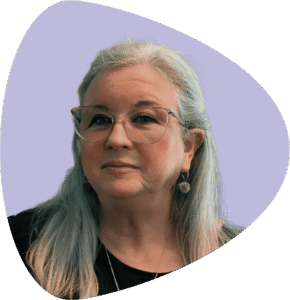
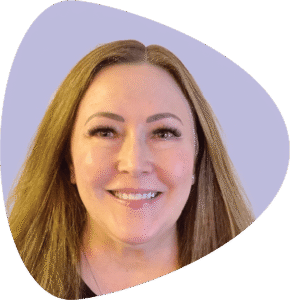
Dr. Tracy Mullare on Pediatric Behavioral Health Care

Half of all behavioral health conditions show initial signs before the age of 14, and 75% of behavioral health conditions begin before the age of 24.

The need for access to quality behavioral health care has never been more important, and helping ensure children get care early is essential to their long-term well-being.

Today, we can see the aftermath of the COVID-19 pandemic and the unprecedented amount of need and impact it had on children behaviorally and academically. And due to the provider shortage, we’re still catching up.

Fortunately, kids are back in school, they have structure and the ability to be on their normal developmental trajectory again. There’s also a bigger lens on behavioral health and better recognition of when children and adolescents need behavioral health care.

Let’s look at how improving access to mental health care is essential, how children and adolescents engage with virtual care, and how virtual care is instrumental to meeting children and families with accessible behavioral health care.

Accessibility is a key challenge for patients and providers

Finding timely care can be incredibly difficult due to the high demand for behavioral health services. Today, many providers have a wait list or limited schedules that may not match up with what a family needs.



“Wait times to see a child and adolescent psychiatrist average 7.5 weeks, even as incidence of wide-ranging mental health, developmental, and behavioral disorders grow.”
American Association of Child & Adolescent Psychiatry


Child Receiving Care


For families, scheduling time off from work to bring their children into an office or required traveling can serve as barriers to care. Thankfully, telehealth can bridge this gap.


A 2020 report from the Child Mind Institute highlighted that telehealth holds promise for children in marginalized, rural, low-income, or high-risk groups who have limited access to traditional care.

It’s also important to recognize that access to care affects both sides of the provider-patient equation.

Because of the volume and intensity of care, it’s essential that providers remain mindful of their own quality of life and prioritize self-care to help ensure they can provide the best quality of work.

For providers, working in a virtual environment can make achieving work-life balance easier. Allowing them to avoid stressors like long commutes and giving them more time to engage in what they love.



“I like meditating, doing yoga, and spending time in nature. I make sure there’s time for that, so I can return to work feeling enthusiastic and refreshed every day.”
Dr. Kavita Vasu, Iris Telehealth Provider


Better work-life balance helps increase job satisfaction and enables the provider to be more present in their work.


Adolescents are attuned to technology and adjust quickly

Adolescents are used to establishing rapport and relationships in a virtual environment. They can get to know people through that medium where sometimes other generations may take a bit longer.

Additionally, adolescents might appreciate the security of not running into friends or peers at an in-person office. College students can open a laptop in a private space and have time for their appointments – they don’t have to travel somewhere.

For kids, using chat tools can be a nice way for them to express themselves if speaking their feelings or thoughts out loud is too challenging.
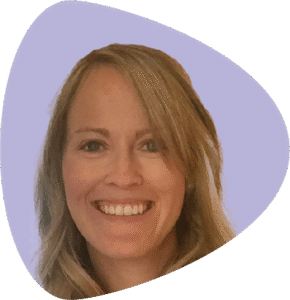


Maria Lopez-Rosario-post-headshot“I usually try to see the patient alone, but if the parent is around, they might say, ‘Okay, I’m going to write this in the chat because I don’t want anybody to hear it.’ And they’ll write something like, ‘I have a girlfriend.’
It’s more private and chat doesn’t make it personal. I’m still getting all the information in whatever way they like to give it to me. Being virtual gives you a lot more options than being in person.”
Dr. María López-Rosario


It takes creativity to engage with children and providers have been great about finding new ways to engage this population.


It’s important to have family involvement in treatment

The standards of care that apply to in-person treatment are the same ones applied in telehealth. In a virtual setting, the provider may interview the family together, interview the child separately, or have segments of the appointment dedicated to each, depending on the situation.

If telehealth providers are meeting with patients virtually at their home, it might take more education and level setting around appointment structure. However, it will mirror what would happen in a provider’s office in terms of confidentiality.

To make sure everyone is comfortable, it can even be helpful to pan the camera around the office to show the family you’re in a private room.

As child psychiatrist, it’s critical to ensure everyone has time so the provider can gather collateral information about the child.

For example, the provider will need to assess how the child is functioning at home, school, academically, and socially.  If a child is being assessed for attention deficit hyperactivity disorder (ADHD), they need to exhibit symptoms in more than one environment – a holistic assessment is important to patient care.


Virtual care is instrumental in meeting community needs

While healthcare organizations understand working with child and adolescent psychiatrists is critical, sourcing these providers to care for patients across the age range can be challenging.


“Ratios of child and adolescent psychiatrists per 100,000 children range by state from 4 to 65, with a national average of 14 child and adolescent psychiatrists per 100,000 children – including Puerto Rico and District of Columbia.”
American Association of Child & Adolescent Psychiatry


When you’re looking for a particular specialty — like a provider who focuses on intellectual disabilities, patients on the autism spectrum, or eating disorders — that becomes an even larger gap to fill.

Telehealth has been a tremendous tool for organizations, allowing them to leverage providers from all over the country, who specialize in exactly what their population needs.


Getting behavioral health care early can help children return to their normal developmental trajectory

Child psychiatry can provide a child with the support and services they need to help them get back on their normal developmental trajectory.

Children are vulnerable to untreated symptoms worsening and impacting their social functioning, academic functioning, and overall development. It’s a vicious cycle that can have lasting impacts on their self-esteem.

The most commonly treated behavioral health conditions in children include the following:

  • 9.8% — ADHD
  • 9.4% — anxiety
  • 8.9% — behavioral problems
  • 4.4% — depression

Early intervention and access to care sets kids up for success.

For example, with conditions like eating disorders, it’s important to treat kids while they’re growing because it can affect bone density over time.


Awareness is the silver lining in behavioral health

In recent years, with the COVID-19 pandemic, awareness around behavioral health has grown.

People are aware of the need to support children’s mental health and the impact it can have on the rest of their lives. Everyone is working hard to make sure access is increased.

Virtual care has been fundamental in reaching underserved areas and the benefits it can provide to families across the U.S. is significant.

We’re passionate about children’s behavioral health and would love to talk with your organization about how to improve access to care in your community. If you’d like to learn more about Iris Telehealth and how we approach child and adolescent mental health treatment, we’d love to talk with you today. You can contact us here for more information!


How Dr. Sophie Feller Builds Relationships with Colleagues Virtually

Iris clinicians are at the heart of what makes our organization such a special place to work. That’s why we’re turning the spotlight on the amazing work they’re doing every day. This month, we’re sitting down to talk with Dr. Sophie Feller.   

Q. How did you find Iris and decide you wanted to be an Iris provider?

A. I was looking at different telehealth companies and Iris was one of the top companies that popped up. I kept seeing the name and I became more curious. I looked at the website and then I had the opportunity to interview.

It felt like a very organic process. I had heard only good things about Iris leading up to my interview and that has only continued to be born out – kind of an amazing place to work.

Q. How does telehealth compare to in-person care?

A. In some ways it’s incomparable in the sense that it is very different, but I don’t think different means that it’s qualitatively any better or worse. I’ve found that I am just as able to connect with patients via telehealth as I am in person.

There are certainly some things that are different. For example, you don’t have as many physical cues sometimes because you can’t necessarily see the person’s whole body – things like that at times are noticeable.

Overall, I’ve found it remarkable how easy it is to connect with people by telehealth and how receptive people are to telehealth as a platform and as a way to interact with a provider.

Q. How do you foster connection with patients virtually?

A. I connect with patients the same way I would in person, honestly. I work in an emergency room setting mostly with people who are in crisis.

Oftentimes I foster connection by trying to present how I actually feel, which is calm and wanting to be present for the person. That comes across more than I would’ve expected – just as it might in person.

How one presents oneself, listening, and being empathetic and reflective – all of those things are very human, and they don’t change that much between telehealth and in person.

I try to stay true to myself and I found that I’m able to connect just as well by telehealth.

Q. As a healthcare professional, how do you manage work-life balance?

A. I think the most important thing is to handle work-life balance with intention. I am very intentional about the time I have away from work and how I want to spend it. When I am at work, I feel fully present and engaged. And when I am not at work, I do as much as I can to disconnect and be present in the other parts of my life.

I have times that I set aside to exercise, and I am always making time to be outside and to spend time with loved ones, friends, and family. For me, the most important ingredient is being intentional about having time away from work and using it in ways that help me feel balanced.

Q. What is the most rewarding part of your job?

A. The most rewarding part is, at Iris, we’re serving people who really need our help. We can facilitate psychiatric care to settings where at times people might not otherwise be able to receive care. We’re breaking down some of those barriers and making care accessible.

Connecting with patients is always the most rewarding and meaningful – and families when I have the opportunity to do that – which is actually quite frequently.

It’s also rewarding to have amazing colleagues and to feel so supported — that is very restorative and motivating for me to feel so energized by my colleagues.

Q. What do you love about working with Iris?

A. I’ve really found my professional home with Iris, and in large part that’s due to the people who work at the company. For example, overnight we have telehealth care coordinators who help us to navigate administrative issues with the health systems where we’re seeing patients and those people have become colleagues and friends.

For example, one of them I recently picked up from the airport and drove her and her family to their hotel because they were visiting the city where I live, and we had lunch. It has been amazing how much, not only I’ve been able to connect with patients, but also with colleagues in a virtual environment.

I feel like overnight we’ve become a kind of little family and we have gotten to know each other. Because there’s a smaller staff onsite at the hospitals overnight, I also feel like I’ve gotten to know some of the staff at the hospital.

It does feel very collegial, very friendly, and I feel very happy.

Q. Why do you think telehealth is important to the future of mental healthcare?

A. Telepsychiatry is the now of behavioral health care. It is the future, but I also think we need it now and we need more of it. There are so many barriers to people accessing mental health care and getting to a place where there could be an appointment.

Transportation, cost – there are so many reasons that people are unable to access care and I think for many people telehealth eliminates many of those barriers. I think the more telehealth that we can do, the better because we’re giving care to people who might not otherwise get it.

Q. What advice would you give someone new to telehealth?

A. Embrace it! Let go of any preconceived notions that you might have about what it is or what it isn’t because I never thought I would feel so connected to my colleagues with telehealth.

I’ve had the opportunity to meet colleagues in person and that has been hugely rewarding. I incorrectly assumed I would feel more isolated, and I don’t feel isolated at all. I feel very connected.

In terms of patient care, I would encourage anyone considering telehealth to leave space for the idea that it is just as possible to connect with people in a virtual environment as it is in person, because that’s certainly what I found.

Those interactions can still be really profound and really meaningful.

At Iris, we believe our providers should be respected, valued, and applauded for the work they do, and we couldn’t be more proud to say, “thank you” to our very own Dr. Feller. If you’d like to learn more about working for Iris Telehealth, contact us today.

5 Ways Health Systems Can Optimize Behavioral Health Services

Behavioral health is an essential part of care, and helping ensure your health system is equipped with the clinicians you need, high-quality services, and a support team to help provide guidance and help track and improve metrics are all key components of a successful behavioral health approach.

In this blog, we outline the five ways health systems can optimize the behavioral health services at their organization.

1. Create a holistic strategy across all patient journeys and sites of care and define what success is for your health system

There are a few scenarios that underscore the importance of having a holistic strategy across the patient journey.

First, your patients need timely access to care. If they can’t access outpatient behavioral healthcare, they may escalate to the emergency department.

Next, if a patient is discharged from your inpatient units without proper discharge-follow-up, they may need to be readmitted.

Patient journeys span sites of care and ensuring a holistic strategy to the service line is critical.

In addition, behavioral and physical health don’t exist in silos – they go hand-in-hand. For example, if a patient is experiencing a chronic condition that requires medication, there could be a behavioral health component that prevents them from staying adherent to their treatment plan.

Behavioral health conditions like anxiety and depression can worsen chronic conditions like cardiovascular disease, asthma, diabetes, and cancer. Read brief.


“These factors require a holistic and planful strategy. Not all patient journeys need to be solved simultaneously, but having an idea of the ideal end-state will ensure every step you take gets you closer to your desired goal.”
Dan Ferris, Chief Strategy & Marketing Officer at Iris Telehealth


2. Integrate virtual providers into your inpatient psychiatric units to ensure patients can access behavioral health care and providers aren’t getting burned out

Inpatient psychiatric units across the country are having problems with provider burnout, staffing shortages, and challenges operating at peak census. On-call and vacation coverages only add to the stress.

Augmenting onsite teams with virtual teams can deliver high-quality care while ensuring staff is working top-of-license, hospitals are optimizing revenue and providers are not burning out. 

Integrating virtual and on-site care teams in inpatient psychiatric units is a best practice deployed nationwide, enabling a continuity and level of care that may not be possible if you are fully reliant on on-site providers. 

3. Provide 24/7/365 access to quality behavioral healthcare in EDs to increase throughput and reduce ED boarding

On average, patients wait 4.7 hours to receive mental health care in the emergency department.

If a patient is left waiting for hours to see a psychiatrist, that’s time the room could be used for another patient in need of urgent care. The faster a patient can get through the ED, the more financially sustainable the ED will become.

Not only is timely care the right thing to do financially, it’s also the right thing to do clinically.


“As it relates to ED throughout, virtual care has helped us reduce the time our behavioral health patients spend in the ED. Before our partnership, the patients who had the longest length of stay in our emergency departments were our behavioral health patients.
We launched a whole value stream approach, and with help from Iris, we’ve seen the length of stay decrease from 12 hours to nine hours. This 25% improvement has had a big impact on our ED throughput.”
Joe Clubb, Vice President of Operations in Mental Health and Addiction Services at Allina Health


We’re proud of our work with Allina to help their population gain access to behavioral health care. In addition to our partnership with Allina, we’ve helped our partners increase ED discharge rates 15% while reducing 7-day revisit rates 42%.

Click here to read the full story of how Iris helped support Allina Health’s behavioral health initiatives.


4. Optimize behavioral health care delivery for patients across the outpatient spectrum by leveraging short-term care models, top of license providers, and digital tools to ensure every patient receives timely care


“These factors require a holistic and planful strategy. Not all patient journeys need to be solved simultaneously, but having an idea of the ideal end-state will ensure every step you take gets you closer to your desired goal.”
Dan Ferris, Chief Strategy & Marketing Officer at Iris Telehealth


Widening the aperture and focusing on patient acquisition, loyalty, and reducing leakage creates cascading financial benefits that support long-term investment in behavioral health.

Additionally, patients seen by an integrated behavioral health team reduces total cost of care, improves outcomes, and reduces burnout of your existing providers.


5. Leverage data to measure and manage key clinical, operational, and financial KPIs

You can only manage what you can measure, and success starts by defining what key performance indicators and operational, financial and quality metrics matter most to your hospital.

For some organizations, it might be ED throughput, length of stay in the med surg unit, average daily census patient in the psychiatric unit or no-show rates in an outpatient clinic.

By measuring and understanding the data, you know where the opportunites for improvement exist.

At Iris, we have the clinical and operational expertise that helps ensure we’re putting what we learn into action. Our Quality Management program ensures we measure and monitor data regularly and drive continuous improvement activities to ensure our programs are hitting on key financial, operational, and clinical KPIs.

If you’d like to learn more about how Iris Telehealth can help you optimize your behavioral health solution at your hospital, please contact us today!

How Organizations are Leveraging Virtual Care for MAT Services

In a webinar hosted by Iris Telehealth Chief Medical Officer, Dr. Thomas Milam, Beth Engelhorn, Executive Director of Southside Behavioral Health in South Central Virginia and Iris provider Dale McQueeney, PMHNP, shared how virtual services can help optimize care delivery for patients experiencing substance use disorders (SUDs).

This blog breaks down the core takeaways of that webinar to look at the current state of the opioid epidemic and the role of virtual MAT programs in the crisis.

The leading percentage of overdoses derive from illegally made fentanyl

For decades now, communities across the U.S. have grappled with the opioid epidemic, which saw a significant increase between 1999 and 2010, reaching a stable trend between 2010 and 2020.

According to the Centers for Disease Control and Prevention (CDC), the leading percentage of overdoses derives from illegally made fentanyl with no other opioids or stimulants — closely followed by illegally made fentanyl mixed with cocaine and illegally made fentanyl with methamphetamine.

Access to Medication Assisted Treatment (MAT) services that support these patients is critical.

Dale McQueeney, PMHNP, has been with Iris Telehealth for four years and works with the Center for Human Development in rural eastern Oregon, serving as the primary provider for their MAT program and their Associate Medical Director for substance use disorder treatment.

According to Dale, patients experiencing OUD may encounter the following challenges in their journey to recovery:

  • Homelessness
  • Food insecurity
  • Unemployment
  • Lack of regular healthcare

These individuals need a lot of support and require a team of professionals to help them get the care they need, whether that’s dedicated certified recovery mentors, case managers, or a SUD team.

The role of Medication Assisted Treatment in delivering life-saving care

MAT programs engage patients in whole-person care that helps treat OUD by helping normalize brain chemistry, block the euphoric effects of opioids, and relieve physical cravings.

The benefits of MAT:

  • Decreases opioid-related overdose deaths
  • Decreases illicit opioid use and criminal activity
  • Increases social functioning and retention in treatment
  • Decreases transmission of infectious disease (HIV and Hep C)
  • Improves maternal and fetal outcomes for pregnant or breastfeeding women

At Southside Behavioral Health, offering access to virtual MAT services is essential to effective whole-patient care

Southside Behavioral Health is a community service board that provides community mental health care across rural South Central Virigina.

They serve approximately 3,000 people —including through their MAT program, which heavily leverages virtual care due to the shortage of local providers who can deliver these services.


“We offer MAT services hand-in-glove with our other services. If someone walks in the door, we do a comprehensive needs assessment and figure out everything they need.
If they want treatment for OUD, we send them to our nurse practitioner that prescribes all other mental health medication. We recently hired an Iris psychiatrist who helps us with that, and we consider it as part of the treatment continuum within the agency and don’t differentiate between that and anything else someone comes in for.”
Beth Engelhorn, Executive Director, Southside Behavioral Health


In addition to virtual providers, Southside also has specialized staff who treat SUDs and focus on whole-person care. They work with the person on their goals, and they choose their own course of treatment.


Good care starts with comprehensive assessments, informative screenings, and a non-judgmental approach

Beth’s care team at Southside conducts comprehensive assessments to figure out each patient’s needs.


“Our team is really good at working through all the assessments and why they need to be done. We are a grant funded program in regard to our MAT, so we’re required to have patients fill out an additional assessment that has to be done.
We make it a reward – if they complete the form, they get a gift card. We as a team work really hard to make sure the person feels heard and that they know they’re not just a number or a piece of data.”
Beth Engelhorn, Executive Director, Southside Behavioral Health


Most Southside patients receive virtual care directly in their clinics due to bandwidth limitations in their rural communities. At their first MAT appointment, Southside staff will have patients take a drug screening – with subsequent screenings happening at provider discretion as patients continue their treatment.

The results of these screenings help the provider have a conversation with the patient about how it could affect their treatment, safety, and provide information to help the individual decide how they want to proceed.

From the providers perspective, Dale says that she’s rarely surprised to learn what shows up in a drug screen. She says communication is key and she lets her patients know that she won’t stop prescribing to them if they tell her what they’re using.

Dale says the information she gains about her patients provides guidance into how to support them.


Reducing barriers to care and reducing stigma are keys to quality treatment

Dale schedules each patient’s first visit to take place over video at the clinic whenever possible, so she and the patient can make eye contact and the team can conduct the initial drug screening.

However, to reduce as many barriers to care as possible, Dale holds subsequent appointments over the phone or over video from the patient’s home if it’s harder for them to come into the office.

During her visits with patients, Dale is also mindful of the stigma patients may experience day-to-day.

A study by the Cohen Veterans Network found that 31% of Americans have worried others judging them when telling someone they’ve sought behavioral health services. The report states that 21% have lied about getting care.


“I try to bring a sense of non-judgement into all my interactions, and I listen. They appreciate that I meet them where they are, and I get to know them as people. Low barrier, non-judgement, and harm reduction are all the techniques I try to bring
.”
Dale McQueeney, PMHNP, Iris Telehealth provider


Ensuring patients can get quality care in a judgement-free space is crucial to their well-being and recovery.


Life-saving medications keep patients alive and are an important part of a harm-reduction approach

Dale shares that it’s very common for her patients to use substances outside of buprenorphine – like methamphetamine and cannabis. If she knows they’re going to be using methamphetamines, she recommends using fentanyl testing strips as a part of a harm-reduction approach.

Dale also shares other techniques she uses with her patients, including motivational interviewing.


“I do use a lot of motivational interviewing. I grab onto those little kernels, that little bit of hope, and I hope for them. I say things like, ‘I’m trying to keep you alive. I think you’re worth being here.’
And because they are – all of my patients are worth being here. I find those little things – there’s always something that you can grab onto.”
Dale McQueeney, PMHNP, Iris Telehealth provider


At Southside, Beth says they’ve had to provide a lot of training to move their providers towards a harm-reduction approach and lean on collaboration to help provide holistic for their patients.


“We offer people harm reduction kits where we give out fentanyl strips, syringes, and whatever someone needs to keep themselves safe.
We talk to them about their increased risk to their general health and it becomes a place of dialogue. We let their therapist know they tested positive for cocaine and amphetamines and the nurse practitioner reads my notes and we have a conversation about shared client. I appreciate the team approach – we share concern for their health and safety.”
Beth Engelhorn, Executive Director, Southside Behavioral Health


Virtual care helps bring addiction treatment to rural areas

The behavioral health provider shortage has hit many communities hard – especially those in rural parts of the country. According to the Health Resources & Services Administration, there are 122 million people living in Health Professional Shortage Areas (HPSAs).

That makes sourcing behavioral health providers even more challenging for those living in rural areas. However, with telehealth, these communities can access specialists they otherwise wouldn’t be able to recruit.


“Virtual care has allowed us to bring in professionals, psychiatrists, nurse practitioners, therapists, where we wouldn’t be able to have them in our area at all. Our MAT program would probably not exist if we didn’t have virtual care.
It has actually allowed us to bring this to our community and let it grow. And not only that — to have really competent, talented people ready to provide those service.”
Beth Engelhorn, Executive Director, Southside Behavioral Health


Behavioral health providers like Dale, whose focus is on treating those with dual diagnoses and prescribing medication for addiction treatment, creates rich connections with her patients in Oregon, even while living in Maine.


“I want to emphasize the power of telehealth. I live in Maine and became aware of how devastated New England has been by the opioid epidemic. And then I learned how other regions of the country were similarly affected. Now through Iris Telehealth, I have the ability to use my skills and education to serve the people of rural Eastern Oregon. That’s all because of the power of telehealth.”
Dale McQueeney, PMHNP, Iris Telehealth provider


About Iris

If you’d like to learn more about Iris and our MAT services, please contact us today!

You can also click here to watch the full conversation with Beth, Dale, and Dr. Milam.