How Iris Telehealth’s Medical Leadership Team Promotes
Quality Care

At Iris Telehealth, our top priority is ensuring quality care throughout each patient’s behavioral health journeys. To achieve this, we partner with healthcare organizations across the U.S., providing access to top-notch providers, quality behavioral health programming, and our medical leadership team.

This team, comprised of Dr. Thomas Milam, Dr. Tracy Mullare, LaDonna Chirpas, FNP-BC, PMHNP-BC, and Don C. Napier II, LISW-CP, promotes quality care, works closely with our provider team, and supports our partner clinics with their medical expertise.

We are excited to share a glimpse into the team’s goals, successes, their personal perspectives, and insights into our care philosophy.


Ensuring quality care is always priority number one

Each day, the medical leadership team works to promote high-quality behavioral health care, ensure we form partnerships built on quality, and recruit providers who deliver the best care possible.

Don Napier post headshot“The medical leadership team at Iris Telehealth is dedicated to enhancing the quality, accessibility, and integration of behavioral health services.
By prioritizing evidence-based patient-centered approaches, and innovative technologies, we aim to deliver superior mental health care and support continuous improvement in clinical outcomes.
Our collaborative efforts with broader healthcare systems and commitment to professional development reflect our focus on achieving the best possible health outcomes for the patients of our clinic partners.”
Don C. Napier II, LISW-CP, Director of Counseling and Psychological Services, Iris Telehealth

An essential aspect of this team’s role is collaborating with our clinical hiring team, operations, and sales. While they work with many divisions within the organization, their goal is to align quality with productivity and financial metrics, and sales.

Dr. Thomas Milam, our Chief Medical Officer, says that his team works with others at Iris to help providers balance their time delivering care, documenting effectively, and communicating with teams.


No two days looks the same across the medical leadership team

 According to our Medical Director of Outpatient Services, Dr. Tracy Mullare, every day hits on a different realm of what they do.

On any given day, our medical leadership team juggles:

  • Administrative tasks
  • Scoping clinical calls
  • Provider interviews
  • Ongoing quality initiatives
  • Chart and peer reviews
  • Provider and partner calls

However, Dr. Milam emphasizes they always put patient care issues first, noting, “We have to be able to flex to issues that arise when providers or partners have concerns about a patient encounter.”

He highlights the importance of flexibility and adaptability in this role as well.

“We have to address those fairly quickly and it means being flexible and having great abilities to move between meetings with different topics and to communicate effectively.”


Director of Counseling and Psychological Services, Don Napier, shares Iris Telehealth’s care philosophy

“At Iris Telehealth, our care philosophy is centered on delivering patient-focused, evidence-based, and integrated behavioral health services through accessible and flexible telehealth solutions.


We prioritize collaborative care, quality, and compassion in all our interactions, continuously striving to enhance our services and support early intervention and prevention in mental health.

Our approach ensures that each patient receives personalized, high-quality care that addresses their unique needs and contributes to their overall well-being.”


We aim to be good clinical and financial partners

The medical team maintains a longitudinal relationship between providers and partners. On the partner side, this team often sits on calls with potential partners to get to know them, learn more about their population, and determine what their ideal provider looks like.

“The medical leadership team strives to ensure that Iris continues to form partnerships that are built on providing quality behavioral health care. We also must ensure that the Iris family of providers are top-notch to be able to deliver the best care possible.”
LaDonna Chirpas, FNP-BC, PMHNP-BC, Director of Nurse Practitioner Services


Additionally, the medical leadership team attends partner calls to learn about any ongoing needs, like patient volumes, protocol, and generally review how things are going.


At Iris, the partner relationship is something that grows over time.

“We want to be good clinical partners as well as good financial partners – we’re constantly thinking about what that means. Sometimes that must evolve in terms of operational things we may need to change or adjust to be a better partner to a provider who maybe feels like they need something more from us – guidance, leadership, pay, benefits. To partners that love what we do, and they want more.”
Dr. Thomas Milam, Chief Medical Officer, Iris Telehealth

With our Iris providers, the medical leadership team is with them from day one, going through interviews, and getting to know them and their preferences.

Dr. Mullare, shares, “It’s fun to meet providers at the beginning of their journeys with Iris, learn what they’re looking for, and let them know what to expect about the process.”

After placement, the team checks-in with them to ask about any concerns, issues, or questions. They also review where they’re going professionally and see how they’re doing personally, too.


A look at our medical team’s biggest successes

We asked the medical team about how they see their biggest successes here at Iris, and these were their answers:
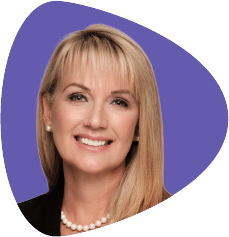
 

“The partnership this year with Texas Health on THBHVV. This program has provided behavioral health services to many patients who did not have access before. Many of the Iris staff have done a lot of work to get the program up and running smoothly. We look forward to many more partnerships of this kind in the future.”

LaDonna Chirpas, FNP-BC, PMHNP-BC, Director of Nurse Practitioner Services


“The biggest success of the Iris Telehealth medical group is their pioneering role in integrating behavioral health services through telehealth, which has led to expanded access, high-quality care, and positive clinical outcomes.”

Don C. Napier II, LISW-CP, Director of Counseling & Psychological Services, Iris Telehealth

 

“I think about how we’ve been able to grow – that has been amazing. We’re not losing focus on what we do, which is providing quality care via telehealth. We continue to meet the increasing need, we’re being innovative, and we’re thinking about how to execute quality care. That’s the focus and drive, making sure patients are getting the care they need.”

Dr. Tracy Mullare, our Medical Director of Outpatient Services


“I would say having such gifted, experienced, and talented people in the medical group has enabled our company to grow faster  because we can trust each other to do the work that we say we’re going to do in the divisions we oversee.

You have to trust your team in medicine and we have built trust here and created an environment where other divisions can trust us, too, and I’m most proud of that. I think that’s a real gift to have that as a medical group team.”

Dr. Thomas Milam, Chief Medical Officer, Iris Telehealth


Learn more about the Iris support pillars

If you’d like to learn how our medical team can help support your organization, don’t hesitate to reach out today by contacting us here.

Additionally, if you’d like to learn more about the other pillars of support our teams provide, check out our other spotlights here:

At Iris, we’re proud to provide quality support to all our partners so they can help their patient population get the quality behavioral health care they need.


Don Napier II, LISW-CP on Prioritizing Accessibility and Inclusivity in Behavioral Health Care

Iris clinicians are at the heart of what makes our organization such a special place to work. That’s why we’re turning the spotlight on the amazing work they’re doing every day. This month, we’re sitting down to talk with our own Director of Counseling and Psychological Services, Don C. Napier II, LISW-CP. 

Q. How did you find Iris and decide you wanted to be an Iris provider? 

A. Before transitioning to my current role, I found myself juggling multiple hats – a position like what I do now and managing my own private practice.  

Needless to say, this arrangement left me with very little time for myself or my family. On top of that, the constant travel demands of my role stretched my already thin schedule even further.  

However, my experience with telehealth was a game-changer. Not only did it offer me the flexibility I desperately needed, but it also opened my eyes to the significant access it provided to underserved patient populations. 

After witnessing the positive impact firsthand, I made the decision to investigate a complete transition into telehealth. That’s when I stumbled upon Iris Telehealth.

Their unwavering commitment to making mental health services more accessible struck a chord with me. Their dedication to closing the gaps in care and ensuring the well-being of both providers and patients resonated deeply. It was clear that Iris shared my passion for mental health care, and I couldn’t wait to be a part of it. 

Q. What did your entry into Iris Telehealth look like? 

A. When I started with Iris, my experience differed slightly from that of most clinicians. During the recruitment process, the clinic partner I was assigned to had delayed my onboarding for three months.   

Rather than leave me in limbo, the clinical hiring team graciously allowed me to briefly join their team. It turned out to be an invaluable experience, as it gave me insight into the meticulous dedication that department puts into matching the right clinician with the right clinic partner. 

Once my official onboarding began, everything fell into place seamlessly. The IT team had all systems up and running smoothly on my first day, enabling me to start seeing patients immediately.   

Furthermore, thanks to the efficient work of the Medical Staff Services team, my licensing and credentialing were already completed. This streamlined onboarding process allowed me to focus entirely on my patients from day one, without the burden of worrying about administrative paperwork. 

Q. How has your role evolved at Iris? 

A. I initially joined Iris as a clinician within one of our hospital systems. Having served in clinical leadership roles for an extended period of time, the transition back to direct patient care was a revitalizing experience. It reignited my passion and served as a poignant reminder of the meaningful impact we have on patients’ lives every day. 

As Iris expanded, particularly in the realm of psychotherapy, I was afforded the opportunity to not only continue my direct practice but also to support our clinicians across the organization. This presented an exciting chance to empower our colleagues and enhance their effectiveness in patient care.  

Each site we operate in is unique, with diverse demographics and challenges. Collaborating with our clinicians to overcome these obstacles and ensure patients receive the mental health care they deserve is immensely rewarding. 

Q. What are the benefits of being a telehealth provider? 

A. As a member of the Iris Telehealth team, I’ve seen firsthand the remarkable benefits of telehealth in mental health care. Through our clinic partners, I can reach individuals in remote areas, providing vital support that might otherwise be inaccessible.   

Telehealth’s convenience is undeniable. Eliminating travel requirements makes therapy more accessible and scheduling more flexible, enhancing client engagement and continuity of care. The reach of telehealth extends far beyond physical limitations. With Iris Telehealth, I can connect with diverse clients, contributing to broader mental health awareness and reducing stigma.  

Embracing telehealth has also fostered professional growth, requiring me to adapt and develop new skills to better serve our clients. Overall, as a telehealth provider with Iris Telehealth, I’m proud to deliver compassionate and effective care to those in need, while enjoying the flexibility and fulfillment this mode of practice offers. 

Q. How can telehealth providers foster connection with patients virtually? 

A. When I first started offering telehealth services, I had significant concerns about whether clinicians and patients could establish the necessary therapeutic relationship through a phone or computer screen. Would we, as clinicians, have access to the same cues like body language and non-verbal communication that we rely on in face-to-face sessions? 

To my pleasant surprise, the transition was smoother than I anticipated.  

Not only did telehealth make care more accessible to patients, but they also seemed much more at ease in their own environments. In traditional clinical settings, it often takes time for patients to acclimate and feel comfortable enough to open up.  

However, I’ve found that patients tend to share more readily from the comfort of their own homes, leading to a more efficient therapeutic process. 

Q. As a healthcare professional, how do you manage work-life balance? 

A. As a clinician, especially in private practice, work-life balance can be a very difficult tight rope to walk.  Although I had full control over my schedule and workload, it also required significant time and effort to handle administrative tasks, marketing, and managing patient bookings.   

This level of autonomy can sometime blur the boundaries between work and personal life, leading to potential challenges in achieving a healthy balance.  

On the other hand, working at Iris Telehealth provides a structure framework where administrative tasks are largely taken care of by our clinic partners. This structure allows me to focus more on patient care and less on the logistical aspects of the organization. Additionally, telehealth offers greater flexibility in scheduling and location, which can significantly help facilitate a better balance between work and personal life.     

Q. What are your biggest learnings from your time at Iris? 

A. During my time at Iris Telehealth, I’ve learned invaluable lessons that have shaped my approach to mental healthcare. 

I’ve realized the critical importance of accessibility and inclusivity in reaching underserved populations. Additionally, embracing telehealth has shown me the transformative power of technology in delivering personalized and innovative treatment.  

Collaborating with passionate colleagues has reinforced the value of teamwork, while navigating challenges has taught me adaptability and resilience. Overall, my experience at Iris has deepened my understanding of mental health delivery, equipping me with the skills to better serve my clients and community. 

Q.  What is the most rewarding part of your job? 

A. The most rewarding part of my job as a telehealth psychotherapist at Iris Telehealth is witnessing the positive impact I have on my clients’ lives. It’s incredibly fulfilling to see them make progress, gain insight, and overcome challenges they’re facing. Building a trusting therapeutic relationship and being a supportive presence in their journey towards mental wellness brings me immense satisfaction. 

Moreover, knowing that I’m able to provide accessible mental health care through telehealth adds another layer of fulfillment. Many of my clients might not have sought therapy otherwise due to barriers like location, mobility issues, or busy schedules.  

Being part of a company like Iris Telehealth that prioritizes accessibility and inclusivity in mental health care allows me to reach individuals who need support the most. 

Overall, the opportunity to make a positive difference in people’s lives and contribute to their well-being is the most rewarding aspect of my role with Iris Telehealth. 

Q. What do you love about working with Iris? 

A. There are several aspects of working for Iris Telehealth that I truly love.   

Firstly, I appreciate the company’s commitment to innovation and leveraging technology to improve mental health care delivery.  Being part of a forward-thinking organization that embraces telehealth allows me to provide convenient and accessible therapy to a diverse range of clients.    

Iris fosters a supportive and collaborative work environment. I value the sense of camaraderie among my colleagues and the opportunities for ongoing professional development and learning.  

The company prioritizes the well-being of its providers, offering resources and support to ensure we can deliver the highest quality of care while maintaining our own mental health. Iris’ dedication to diversity, equity, and inclusion in both its workforce and the services it provides is evident in everything we do. It’s empowering to be part of a company that values and celebrates differences, ensuring that mental health care is accessible and culturally sensitive to all individuals. 

Q. Why do you think telehealth is important to the future of mental healthcare? 

A. Telehealth, especially with an organization like Iris Telehealth, is essential for the future of mental healthcare due to its ability to improve access, flexibility, and continuity of care. By breaking down geographical barriers, offering convenience, and enabling remote therapy, telehealth ensures more people can access therapy when they need it.   

Additionally, it helps address provider shortages and promotes innovation in treatment modalities.  Overall, telehealth, exemplified by Iris’ services, enhances the accessibility and effectiveness of mental health services, making it a crucial component of the future of healthcare. 

At Iris, we believe our providers should be respected, valued, and applauded for the work they do, and we couldn’t be more proud to say, “thank you” to our very own Don Napier II. If you’d like to learn more about working for Iris Telehealth, contact us today. 

How Two Health Systems Transformed Their Approach to Behavioral Health Care 

Virtual care helps transform a health system’s approach to behavioral health care, giving their communities and providers much needed support. However, there are several considerations to keep in mind when it comes to virtual behavioral health integration.  

In a webinar hosted by Becker’s Hospital Review, healthcare leaders from Elliot Health System and Texas Health Resources shared their strategic and economic cases for behavioral health integration, insights into implementing virtual services into their organizations, and the benefits of integration.  

Provider shortages make virtual behavioral health a strategic priority in Texas and New Hampshire 

The behavioral health provider shortage continues to be a challenge for many healthcare organizations. And, according to the Texas Department of State Health Services, 246 of the 254 counties in the state are designated as Health Professional Shortage Areas.  

Kathi Cox, Chief Operating Officer, Ambulatory & Virtual Channel at Texas Health Resources (THR) shared that Texas is one of largest growing areas in the country and with more people moving to the region, the demand for behavioral health grows.  

“Texas Health happens to be one of the health systems in this community that has a very robust inpatient behavioral health service line across multiple hospitals within our system. However, we didn’t have any low acute services as part of our portfolio.” 

She went onto share that depression is at an all-time high and there’s a lack of resources to treat the youth and senior members of their community. For low acuity behavioral health, Cox shared that patients may be waiting anywhere from six to 10 weeks for a first appointment. 


“When we think about Texas Health and how we approach this, the idea was to provide a longitudinal offering for the people in our community that would allow them to be treated for behavioral health within an integrated network of providers across our primary care physicians and our hospitals.”
Kathi Cox, Chief Operating Officer, Ambulatory and Virtual Channel, Texas Health Resources


In New Hampshire, Dr. Holly Mintz, Chief Medical Officer at Elliot Health System (Elliot), shared that they have also experienced a shortage of resources, citing they’re one of the few hospitals that have an inpatient behavioral health and geriatric psychiatry unit.  

Reflecting on the lack of resources in their community, Dr. Mintz discussed the importance of ensuring patients had someone they could see for their behavioral health needs. 
 
“We looked at the number of behavioral health calls that our triage nurses were receiving, and we knew we needed to do better. We needed to do better in placing people with therapists and better understanding what they need as far as either medication management or therapy.  

We want to make sure that it was not acceptable to have a 60-day wait between a referral and an intake process, let alone seeing a provider. We really needed to focus on decreasing the time to care, which we knew would benefit care holistically.” 

Virtual behavioral health care enables early access to treatment and better outcomes  

Behavioral health touches everyone and making sure people can get care they need when they need it is at the heart of every healthcare organization’s mission.  

Additionally, implementing a solution like virtual behavioral health care comes with considerations health systems must think through to determine where it will fit into their priorities and ensure the solution makes good financial sense.  

At Elliot, Dr. Mintz says they viewed virtual behavioral health as an avenue to improve early access, positively impact outcomes, and prevent hospitalizations.  

Dr. Mintz shares they learned that one out of every five calls their triage nurses received were about behavioral health, and the average length of the call was around 27 to 30 minutes, causing providers to burn out and keeping patients from timely care. 


“We were able to convert those triage calls into actual full intakes from a licensed social worker, that provided the patient with a full evaluation, and were billable. We were able to cover the cost of investing in provider hiring by converting those triage calls to a full intake.  
There’s a brief triage (assessing presence of a crisis), then the patients have an intake and transfer within one to two business days. That visit is billable. It’s a benefit for everyone and helped make this new program sustainable.”
Dr. Holly Mintz, Chief Medical Officer, Ambulatory Care Services, Elliot Health Systems


Discussing how THR viewed integrating virtual behavioral health services, Cox shared that they view it as an investment – thinking about behavioral health as a component of their other service lines, rather than a standalone program.  

“For our chronic patients, whether they are facing CHS challenges, COPD, hypertension or diabetes, behavioral health ends up being an underlying challenge for these patients. The benefit for all the service lines comes when we can address those mental health challenges of those patients.”  

Behavioral health integration defines success for health systems  

Every organization defines success differently. However, one common thread between Elliot and THR is ensuring behavioral health care is a priority and well-integrated into patient care.  

Reflecting on this Cox shared her vision of what success at THR looks like in the next several years.  


“Success in three to five years looks like very strong relationships between our behavioral health and employed physicians – whether that’s in our psychiatric practice, inpatient, or outpatient space. Rather than it be two different areas – these groups are working together. 
 
Traditionally, you have a lot of primary care physicians or specialists dealing with their patient’s medical health over here and mental health issues over there – it’s very disjointed. 
Now that we’ve created a much more integrated approach, there’s an opportunity for those things to work together. If we are collaborating across the organization for these patients, I think that’s a big success area.”
Kathi Cox, Chief Operating Officer, Ambulatory and Virtual Channel, Texas Health Resources


For Dr. Mintz, she shared Elliot aims to create a straightforward system for their behavioral health patients.  

“We are looking to enhance a straightforward process for patients and help them navigate it. So, when somebody presents with cancer, there’s a nurse navigator that helps them navigate through the system.  

What we hope to do is make things very simple so when a primary care provider sees a patient who needs behavioral health services and has a general assessment of what they need, they’re referred to one place – there’s not nine different referrals where they could potentially go, and there’s an understanding of what the provider feels that patient needs.” 

Payers are becoming more aware of the need to provide behavioral health services  

For health systems, transforming their service lines comes with considerations around payers. At Elliot, Dr. Mintz shared that payers are becoming more aware of the need to provide behavioral health services, noting that insurance companies are becoming more expansive.  

Dr. Mintz also said that they continue discussing the importance of expanding opportunities for behavioral health patients with lawmakers and their Department of Health and Human Services.  

For THR, Cox noted that they’re cautiously optimistic about the payer.  

“We’re still a fee for service area of the country, value-based hasn’t really hit us at all here in Texas. Everything we do is very fee-for-service based. I think that payers are saying that behavioral health is important.  

We still have not seen an adjustment in how their coverage may be expanded or reimbursed in a meaningful way that pays for the cost of taking care of patients.” 

At times, access to community mental health centers can be delayed up to a year  

For primary care providers, they may not always be comfortable working with behavioral health patients without the specialty expertise or insights into medication management.    

Child Receiving Care


At Elliot, Dr. Mintz shared that one of the most common things she hears from their medical group is the challenges they face with patients who have behavioral health conditions they’re not comfortable managing.


For example, if a patient is on medications or doses that the provider isn’t comfortable with, Dr. Mintz says it demands and deserves a specialty opinion.

She went on to say that a key challenge with managing these patients is access and it sometimes can be delayed up to a year for community mental health centers.  

To address these challenges, Dr. Mintz shared that Elliot is developing a stability clinic for patients who need a higher level of care.  

“We’re also enabling the providers to help explain to patients what they actually need so that the patients can understand they’re going to be with somebody for three months temporarily, but they will be transitioned to another level of care.” 

The key to internal buy-in for launching a behavioral health program  

Implementing a behavioral health program comes with financial and practical considerations that can help influence buy-in from stakeholders across the organization.  

At THR, Cox shared that they have a strategic initiative called, “Vision 2026,” that puts the patient at the center of every decision they make. Together, they worked to better understand their community and determine where their patients were going for care. 

They also wanted to tune into their data and have a good understanding whether they need to build or buy a solution. When they started to look for a partner, they did a lot of research and shared the findings with their organization.  

THR also wanted to ensure their physicians were on-board and shared how it would complete their continuum of care.  

Cox also shared that the patients were a key part of the equation, along with their overall organization.  
 
“Up until now we released them [patients] into the wild with no way to lasso them back or to have physicians where their medical home was, have information about their treatment.  

Then finally, the last stakeholder is our organization. We want to make sure they understand how we are staying accountable and what the outcomes are that we promised and how we are achieving them.” 

For Dr. Mintz at Elliot, her team met with their medical group to understand their challenges and their primary take away was the need for behavioral health access.  

They also determined integrating a solution that would provide more support would inherently drive provider satisfaction and be appealing to future providers.  


“We were able to help engage our senior leadership in really bolstering our outpatient support, in addition to the fact that we all know it’s a competitive world out there, and we’re all hoping to attract providers, triage nurses, and medical assistants.  
If we can take a situation that is causing a significant amount of stress and manage it better, we hope that we will be on people’s top of mind for a place where they want to work and deliver care.”
Dr. Holly Mintz, Chief Medical Officer, Ambulatory Care Services, Elliot Health Systems


At Elliot, 80% of virtual care is for their behavioral health services  

Since the onset of the COVID-19 pandemic, there has been much discussion around a virtual versus an in-person approach to healthcare.  

For behavioral health, virtual care has helped expand the reach of care and help open up the pool of providers available to organizations like Elliot and THR.  

At Elliot, Dr. Mintz shared the exceptional advantage virtual care provides to their organization overall and the time to care for patients.  
 
“We’ve been able to hire four to five other providers who are working virtually, who are helping us manage our behavioral health patients, both with therapy as well as with intake. Virtual care allowed us to expand beyond our state walls.  

We’ve gone from a 60 day wait for an intake to now we can do an intake within one to three business days, and that’s because of telehealth.” 

Next steps to building out your health system’s behavioral health programming  

We are so grateful for the time Dr. Holly Mintz and Kathi Cox shared with us. Thank you for your partnership and for all the incredible work you are all doing to expand behavioral health to your community.  

Weren’t able to make it to the webinar? You can catch the full video here.

If you’d like to learn more and figure out the next steps to building out your health systems behavioral health programming, you can contact us today to get started!